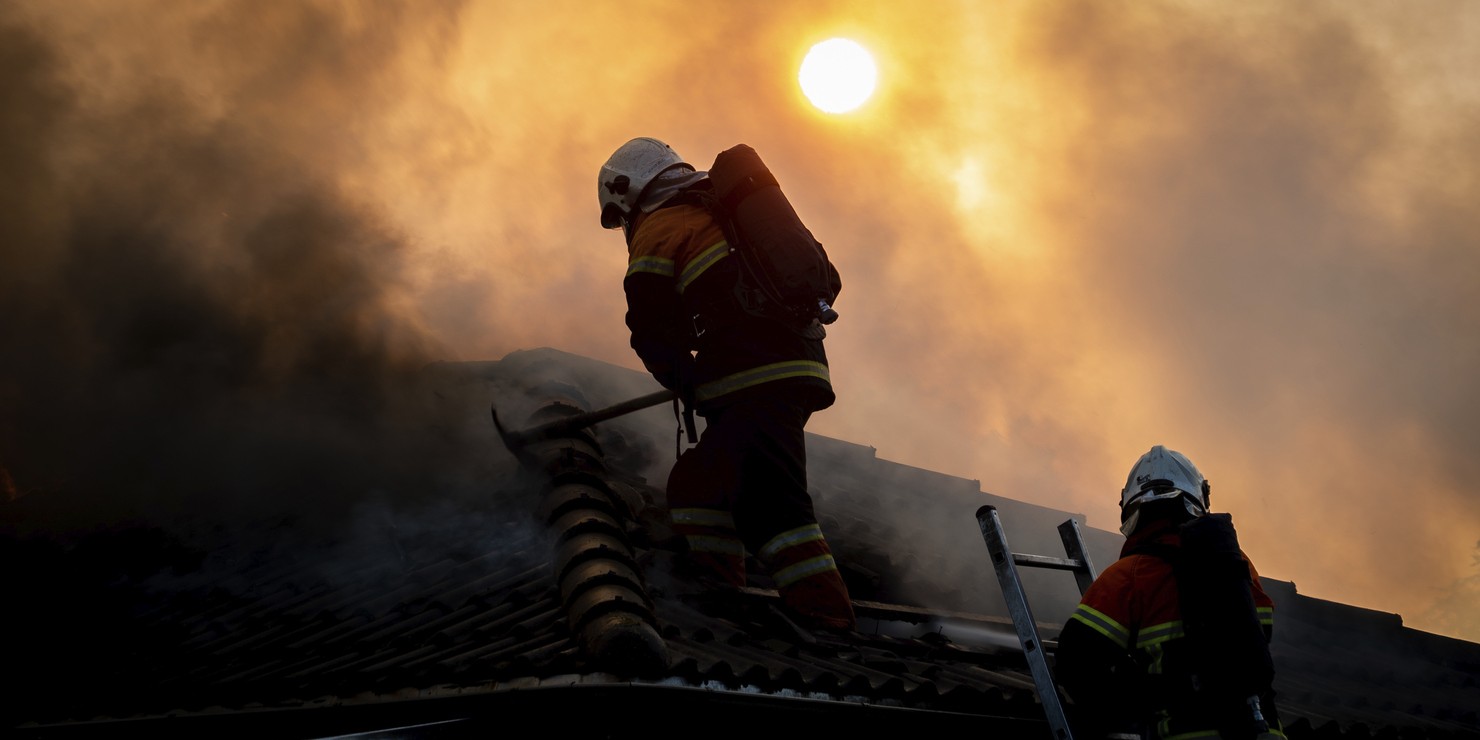
The devastation caused by bushfires has become a regular, unfortunate part of the Australian climate. Communities impacted watch (somewhat helplessly) as their properties, wildlife and vegetation are engulfed by flames. Retailers, or any business with a physical premise, are certainly not immune to the impacts of bushfires. The best time to prepare for a bushfire is when you’re not in the middle of one. Even if you’ve been fortunate enough to avoid having your business premises damaged, taking the time to set out an action plan can help you be better prepared if you do experience one, and should form part of your overall risk management. Here are a few ways to prepare:
Understand the risk a bushfire poses to your business
Understanding your level of risk is key when determining which steps to take to help protect your business. If you are planning on building a new property for your business, consider beginning with a Bushfire Attack Level (BAL) assessment. The higher the BAL rating, the more your business will need to withstand, from ember exposure all the way to direct flame contact in the most severe categories. This level can be affected by a variety of factors, from where you’re situated, the surrounding vegetation and even its distance from your home.
It's also important to lean on your local community to provide insights that can help protect your business. Speaking with your neighbouring businesses who have been established for longer, as well as your local council, about any recent bushfire activity can offer valuable guidance on what you should do to prepare. Consider connecting with your local emergency services to make them aware of your business and to learn more about the specific hazards in your area and what you can do to help mitigate them.
Help to protect your property in advance
There are a variety of steps you can take to help protect your property ahead of a potential bushfire. If you are building a new property for your business, once you’ve undertaken your BAL assessment, you can plan your design for bushfire resilience. This could range from thicker safety glass at the lower danger levels, all the way to using non-combustible materials such as steel for your roofing, vents and downpipes in high-risk areas.
If your business is situated in an existing building, consider how you may be able to retrofit your building to help protect the weak points. Adding screens to windows and draft excluders on doors can help reduce the risk of embers entering the property. You may also consider using sealant around windows, doors and roofs to further help protect your business.
Colin Wood, who works with the Resilient Building Council notes that “About 80% of all buildings are lost due to ember attacks... This is why the Australian standard focuses on ember protection and sealing up the buildings.”
General maintenance can play a significant role when it comes to fire protection. Bushfire resistant design generally only remains effective if it is maintained regularly. Steps that may help maintain your property include clearing debris from roofs and gutters, filling structural cracks and keeping surrounding vegetation trimmed. Taking these steps can make a meaningful difference to how your business may fare in the event of a bushfire.
Prepare your business
Once you’ve gone through the necessary measures to help protect your premises, it’s time to look at how you can prepare your business. Backing up all your data on a cloud server is an effective way of protecting it. Bushfires can destroy physical documents and computers within minutes, and if data is not backed up it could mean you are unable to access vital business information, such as critical documents, outstanding invoices or key business contacts.
Consider preparing a method to maintain customer relations. If you are unable to operate for some time, customers may opt to use different vendors for convenience. Making efforts to have open channels of communication with your customers set up in advance, such as social media or email lists, can help you communicate any disruptions and help them understand how much you value their business.
Keeping staff engaged, informed and safe should be a key priority. Involving staff as part of the bushfire planning process helps to create a sense of ownership and can improve overall education on how to act in the case of a bushfire. Depending on your type of business, putting measures in place to facilitate employees working from home may also help your business to continue running despite potentially not being able to access the office.
Review your insurance
Keeping your insurance current is one of the most important aspects of being prepared for bushfires. This involves more than simply taking out a policy and filing it away for the year. There are many instances where you may need to make changes to your insurance policies to ensure you’re adequately covered, such as if you renovate, relocate or purchase new equipment.
Underinsurance can be a real challenge and can occur under any policy. That’s why if you hold insurance which covers your business’ property, it’s important to consider undertaking a thorough assessment of all your assets, equipment, and stock at every renewal and when your business’ property changes, to help ensure the items are covered by your insurance and are insured for appropriate replacement value.
You should also carefully consider what options your insurance offers and whether they are right for you, for example, Business Interruption cover on your Business Insurance can be worth considering. Business Interruption is a cover section under Business Insurance pack policies which is designed to cover lost revenue due to an insured event.
Be aware and respond quickly
It is important to stay vigilant for signs of bushfires. Knowing what to look for can be crucial in knowing when to act. Look for weather patterns that can trigger fire, such as heavy rainfall which encourages plant growth, followed by long periods of dry weather with strong winds. Use your region’s fire status websites and roadside bushfire warning signs to stay up to date on current conditions.
In the case that you do find yourself in a situation where a bushfire is imminent or underway, it’s important that you react quickly, ensuring most importantly that you, your staff and customers are safe. Evacuate the premises, make your way to a safe location or evacuation centre and connect with the relevant emergency services to notify them of your situation and the status of the fire.
© 2026 Aon Risk Services Australia Limited ABN 17 000 434 720 AFSL no. 241141 (Aon)
The information provided in this article is current as at the date of publication and subject to any qualifications expressed. Whilst Aon has taken care in the production of this article and the information contained has been obtained from sources that Aon believes to be reliable, Aon does not make any representation as to the accuracy of information received from third parties and is unable to accept liability for any loss incurred by anyone who relies on it. The information contained herein is intended to provide general insurance related information only. It is not intended to be comprehensive, nor should it under any circumstances, be construed as constituting legal or professional advice. You should seek independent legal or other professional advice before acting or relying on the content of this information. Aon will not be responsible for any loss, damage, cost, or expense you or anyone else incurs in reliance on or use of any information in this article.